Christmas is celebrated by Christians to honor the birth of Jesus Christ, who they believe is the Son of God and Savior of humanity. His birth, considered miraculous, is seen as the fulfillment of Old Testament prophecies regarding the arrival of the Messiah. Theologically, Christmas holds profound significance because it commemorates the Incarnation—the belief that God entered the world in human form through Jesus. This event, seen as God’s ultimate act of love and humility, is foundational to Christian faith and represents a turning point in God’s plan for salvation.
Theological Significance of Christmas
In Christian theology, Christmas marks the beginning of God’s redemptive work in the world. The Incarnation, or God taking on human flesh, symbolizes God’s entry into human history in a deeply personal and compassionate way. Jesus is believed to be both fully divine and fully human, a unique union that bridges the gap between God and humanity. By becoming human, Christians believe that God chose to live among people, sharing in their experiences, joys, and sufferings. Jesus’ life, death, and resurrection are seen as part of a divine mission to offer forgiveness, hope, and eternal life.
Through Jesus, Christians believe God demonstrated his love for humanity, making a way for people to be reconciled to Him. The title “Emmanuel,” meaning “God with us,” reflects the belief that God is not a distant figure but one who is near, compassionate, and involved in human life. This closeness is seen as a profound expression of God’s love, extending an invitation for all people to experience peace, joy, and transformation.
Biblical Accounts of Jesus’ Birth
The story of Jesus’ birth is recorded in the Gospels of Matthew and Luke, each of which highlights different aspects of the Christmas narrative:
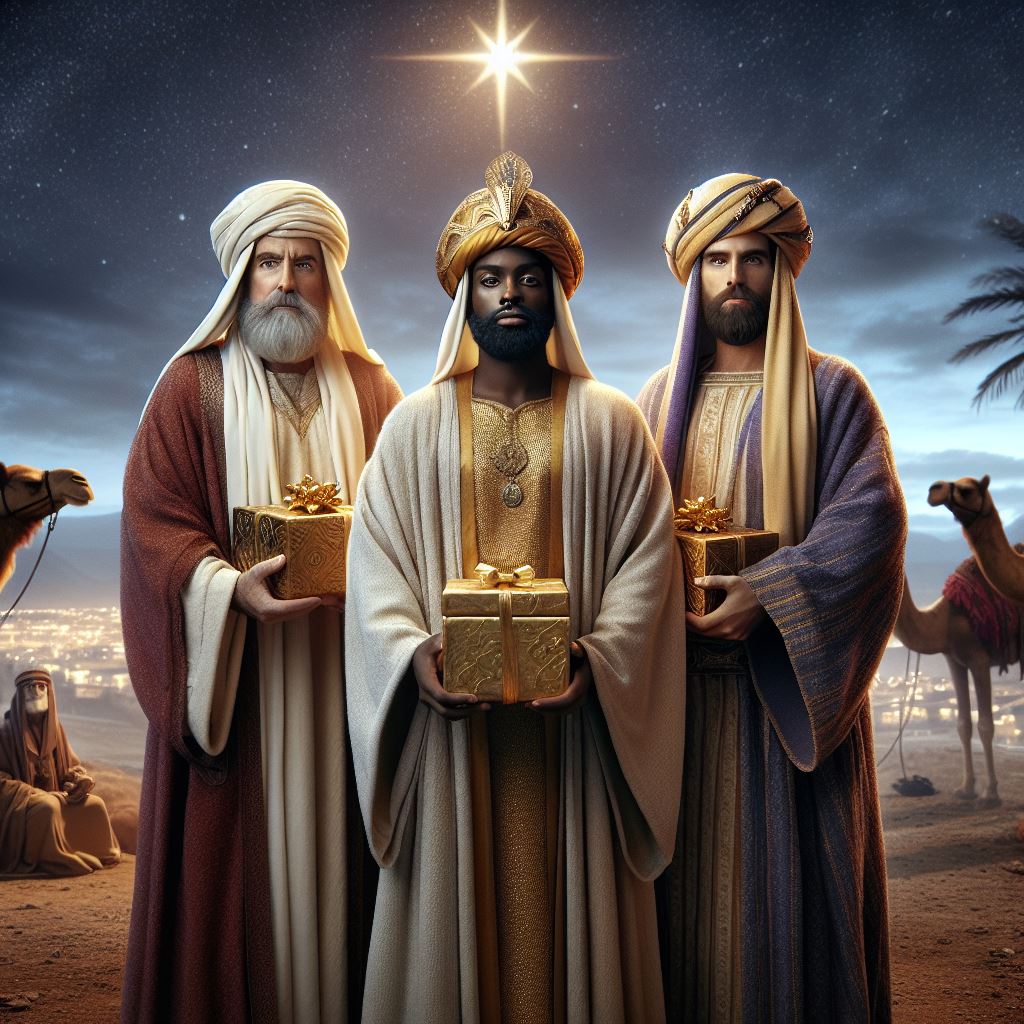
- Matthew’s Gospel focuses on Jesus’ royal lineage and the fulfillment of messianic prophecies. It tells of the visit from the Magi, or wise men, who bring gifts of gold, frankincense, and myrrh. These gifts symbolize Jesus’ role as king, priest, and savior, and signify his sacrificial purpose. The story of the Magi underscores Jesus’ identity as the promised King who would establish God’s kingdom on earth.
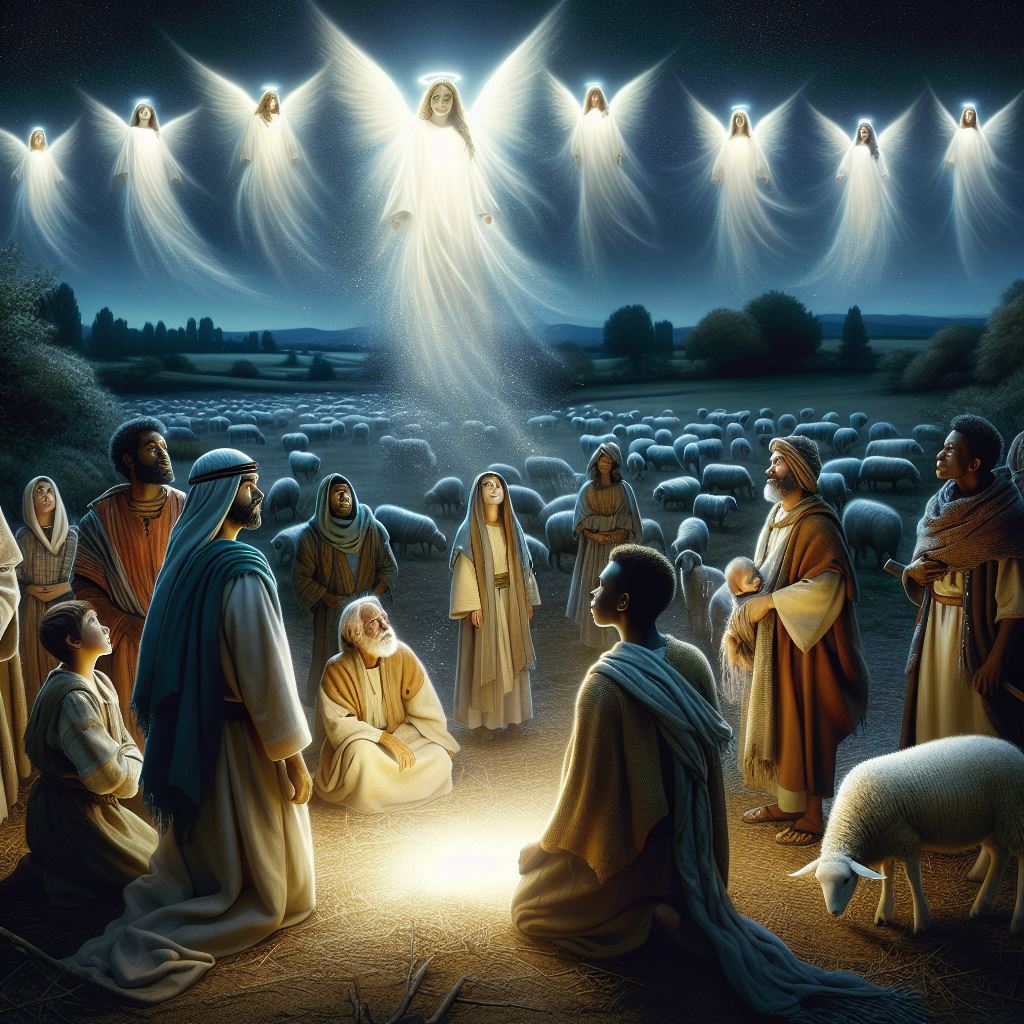
- Luke’s Gospel offers a more detailed account, including the angelic announcement to Mary, who is told she will conceive a son named Jesus, who will be “the Son of the Most High.” Luke emphasizes the humility of Jesus’ birth, describing how he was born in a manger in Bethlehem. Shepherds, often seen as marginalized members of society, are the first to hear the news of his birth from an angel who calls it “good news of great joy for all people.” This highlights that Jesus’ arrival is meant for everyone, regardless of social or economic status, and brings a message of peace, hope, and goodwill to all humanity.
Christmas as a Symbol of Hope and Salvation
For Christians, the celebration of Christmas goes beyond the birth of a historical figure—it is a time to reflect on the hope, peace, and redemption that Jesus brought into the world. His birth symbolizes the beginning of God’s plan to reconcile humanity to Himself, offering a pathway to salvation. The Christmas message embodies love, generosity, and the promise of eternal life, reminding Christians of the central tenets of their faith and inspiring acts of kindness and compassion.
While cultural traditions—such as gift-giving, decorations, and family gatherings—are now part of the Christmas season, Christians see these as expressions of the joy and gratitude that stem from the true meaning of Christmas: the birth of Jesus Christ. At its core, Christmas is a celebration of God’s love for humanity and the hope of salvation offered through Jesus, the one Christians revere as their Savior and Lord.